Exploring the World of Alternative Flours: Benefits and Considerations for Baking
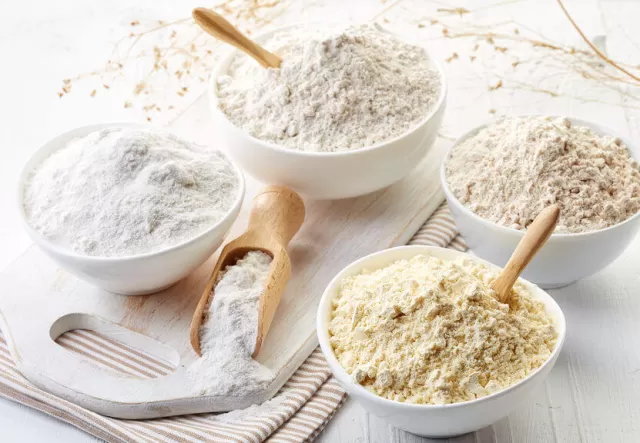
Alternative flours, such as almond flour, coconut flour, and chickpea flour, have been gaining popularity in recent years. As people become more health-conscious or have dietary restrictions, these flours offer a way to enjoy baked goods without traditional wheat flour. But should you start baking with alternative flours? Let's explore the benefits and considerations.
Benefits of Alternative Flours
Gluten-Free Options: For those with gluten sensitivities or celiac disease, alternative flours provide a safe and delicious way to enjoy baked goods. Almond flour, coconut flour, and rice flour are gluten-free options that can be easily substituted for wheat flour in many recipes.
Nutritional Value: Alternative flours often have a higher nutritional value compared to refined wheat flour. Almond flour, for example, is rich in protein, healthy fats, and vitamins, making it a nutritious choice.
Unique Flavors and Textures: Using alternative flours can add unique flavors and textures to your baked goods. Coconut flour lends a subtle coconut flavor, while chickpea flour can add a nutty taste. Experimenting with different flours can lead to exciting and tasty results.
Diversity in Baking: Embracing alternative flours allows for more diversity in baking. You can create a wider variety of recipes, from almond flour pancakes to chickpea flour flatbreads, expanding your culinary repertoire.
Considerations Before Starting
Cost: Alternative flours can be more expensive than traditional wheat flour. Depending on the type of flour and where you purchase it, costs can add up. However, with careful planning and buying in bulk, you can manage the expense.
Texture Differences: Alternative flours have different textures compared to wheat flour, which can affect the final outcome of your baked goods. For instance, coconut flour is highly absorbent and requires more liquid in recipes. It may take some trial and error to achieve the desired texture.
Recipe Modifications: Not all recipes can be directly substituted with alternative flours. You may need to modify recipes or use specific techniques to ensure success. It's essential to follow recipes designed for alternative flours or adapt existing ones carefully.
Storage and Shelf Life: Alternative flours, especially nut flours, can go rancid more quickly than wheat flour due to their higher fat content. It's important to store them properly in a cool, dry place or even in the refrigerator or freezer to extend their shelf life.
Conclusion
Starting to bake with alternative flours can be a rewarding experience, offering health benefits, unique flavors, and the opportunity to explore new culinary creations. However, it's essential to consider the cost, texture differences, and recipe modifications before diving in. With patience and experimentation, you can enjoy the many benefits of alternative flours and enhance your baking skills. Whether you're looking to follow a gluten-free diet, explore new flavors, or add nutritional value to your baked goods, alternative flours can be a valuable addition to your kitchen pantry.