Mass Murderer George Banks Dies in Prison at 83
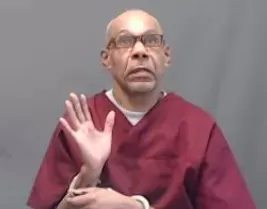
George Banks, a figure whose name became synonymous with one of the most horrific mass shootings in American history, has died at the age of 83. The Pennsylvania Department of Corrections confirmed his death on a Sunday afternoon at the State Correctional Institution at Phoenix. The Montgomery County Coroner, Dr. Janine Darby, listed the official cause of death as complications from renal neoplasm, a form of kidney cancer.
The 1982 Rampage
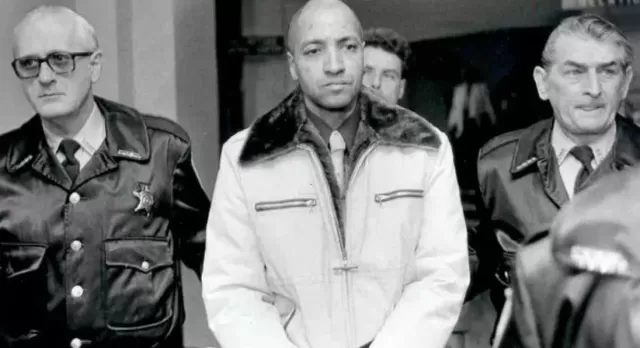
Banks had been incarcerated since 1982, following a violent rampage in Wilkes-Barre that left 13 people dead and one survivor. The shooting spree, which involved an AR-15 rifle, began at his home after a night of drinking. The brutality and scale of the crime shocked the nation, earning it a dark place in the annals of American criminal history. A jury later found him guilty on 12 counts of first-degree murder and one count of third-degree murder.
A Trail of Victims
The victims of Banks's attack were primarily his own family and close associates.
- Immediate Family: Five of his children, ranging in age from one to six years old, were killed. He also murdered four women who were the mothers of his children.
- Bystanders: The violence extended beyond his home. Among the victims were an 11-year-old child who was a frequent visitor to the family, a seven-year-old, and a teenager.
- The Attack Continues: After the initial shootings at his residence, Banks, dressed in military-style attire with an ammunition bandolier, left his home. He encountered a group of four teenagers and opened fire, killing one and injuring another.
Following this, Banks carjacked a vehicle and drove to the Heather Highlands trailer park. There, police later discovered the bodies of his son, the child's mother, her mother, and her nephew. The final stop was his mother's house, where he confessed to the killings.
The Standoff and Legal Aftermath
A tense, four-hour standoff ensued at a friend's house before Banks finally surrendered. Police had attempted to negotiate by falsely telling him that some of his victims had survived. While he was convicted and sentenced to death, state courts later blocked his execution, ruling that he was not mentally competent to be put to death. This commutation resulted in a life sentence without the possibility of parole.
Jim Olson, the teenage survivor of the shooting, expressed profound frustration in 2012 over the state's failure to carry out the execution, questioning the purpose of having a death penalty statute if it is not enforced.
Motive and Bizarre Trial Conduct
Throughout the legal proceedings, Banks's defense team argued that he was legally insane at the time of the shootings. Banks, who was biracial, offered a twisted justification, claiming he killed his children to spare them the suffering of growing up in a racist society.
His behavior during the trial was erratic and disruptive. He repeatedly clashed with his own legal counsel and made unfounded accusations that the prosecution, the judge, and the mayor of Wilkes-Barre were conspiring against him. In a shocking move that undermined his own defense, he presented the jury with graphic crime scene photographs of his victims, despite his lawyer having previously succeeded in having those same images excluded for being overly gruesome and prejudicial.